3D Chocolate Bunny Confetti Shaker Review
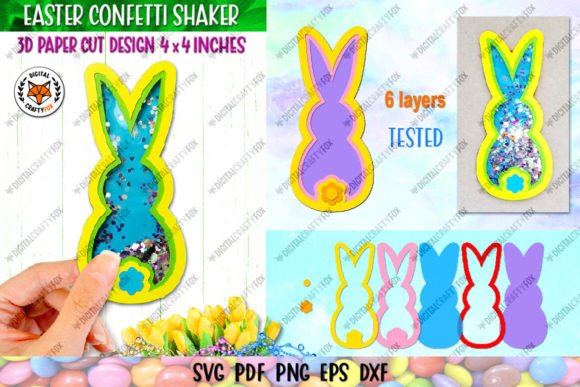
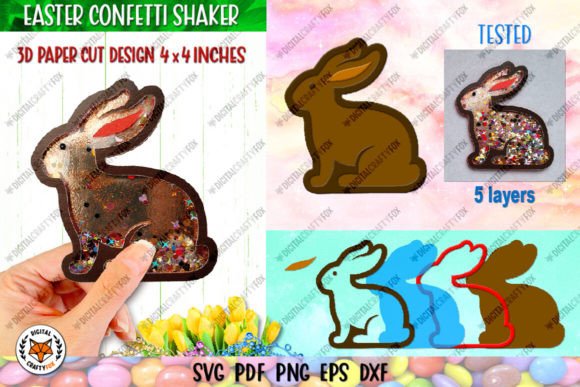
As a designer who constantly bridges the gap between digital assets and tangible handmade products, I approach every new file with a specific question: will this actually work in the hoop? When I first opened the 3D Chocolate Bunny Confetti Shaker, my immediate reaction was one of cautious optimism. Marketed primarily as a papercut file with five distinct layers for cake toppers and toys, this design presents a unique challenge and opportunity for machine embroidery. It is not a traditional embroidery file out of the box, but for the creative entrepreneur or Etsy seller willing to adapt, it holds significant potential for mixed-media projects and dimensional textile art.
Translating Papercut Layers to Stitch and Fabric
The visual personality of this design is undeniably festive. The confetti shaker concept implies movement, depth, and celebration, which translates beautifully to Easter merchandise. However, because this is originally a 3D SVG intended for laser cutters or craft plotters, we have to rethink how those five layers interact when thread replaces paper. In a real-life studio scenario, I evaluated this design while planning a line of premium Easter tote bags and nursery wall hangings for a boutique client. The goal was to create a textured, tactile experience that felt high-end rather than flat and generic.
For an applique design adaptation, the layered structure is actually a benefit. Instead of stacking paper, you can stack felt, quilting cotton, or even tulle. The bottom layers provide stability, while the top layers offer the detailed silhouette of the chocolate bunny. The "confetti" element, which would be loose pieces in a paper shaker, must be secured in embroidery. I found that converting these small elements into tiny satin stitch dots or using actual sequins trapped under a layer of organza created the most professional finish. This adaptation transforms a simple digital shape into a complex machine embroidery design that justifies a higher price point due to the perceived value of dimensionality.
Real-World Application: Beyond the Cake Topper
While the product description suggests cake toppers and kids' toys, my testing focused on commercial viability for apparel decorators and digital product sellers. For sweatshirt embroidery, the 3D aspect requires careful consideration of weight. A five-layer paper design is light; five layers of fabric and stabilizer are heavy. On a lightweight baby onesie, this design could cause sagging or distortion. However, on a structured canvas tote bag or a denim jacket back patch, the weight adds a desirable premium feel.
I also tested the concept for holiday embroidery ornaments. Here, the 3D SVG origin shines. By using stiff stabilizer and hooping multiple layers of felt, the design retains its structural integrity without the bulk issues associated with garments. For Etsy sellers focusing on personalized gifts, this adaptability is key. You aren't just selling a bunny; you are selling a multi-textured keepsake. The shaker window effect can be replicated using clear vinyl or mesh within the embroidery hoop, creating a true interactive element that sets your shop apart from competitors using standard fill stitch designs.
Critical Technical Considerations for Makers
Because this asset originates in the Shapes category as a vector file rather than a digitized embroidery format, there are specific technical hurdles to address before you list any finished product for sale. You cannot simply load a 3D SVG into an embroidery machine. It requires redigitizing or conversion. When adapting this for a custom apparel project, pay close attention to stitch density. Paper cuts rely on negative space; embroidery relies on thread tension. If you attempt to replicate the exact intricate cuts of the papercut version with running stitches, the fabric may tear or pucker.
- Fabric Texture Matters: Smooth fabrics like poplin or broadcloth best mimic the clean lines of the original SVG. Textured fabrics like linen or terry cloth will obscure the fine details of the bunny’s silhouette and the confetti elements.
- Stabilizer Strategy: Do not skimp on support. For a multi-layer look, use a combination of cut-away stabilizer for the base and water-soluble topper for alignment. If creating a true shaker pocket, you will need to manage hoop tension carefully to prevent the vinyl or mesh from warping.
- Small Details: The confetti particles in the original design may be too small for reliable stitching. In my test run, I had to scale up individual confetti pieces by 15% to ensure the satin stitch columns didn’t pull out. Always verify minimum stitch lengths after conversion.
- Hoop Size Verification: Ensure your final digitized version fits your target hoop size with adequate margin for the multi-layer buildup. The added thickness of stacked appliqué reduces the effective sewing field.
Evaluating Commercial Viability and Customer Appeal
From a business perspective, the 3D Chocolate Bunny Confetti Shaker offers strong visual appeal for spring collections. Customers respond well to nostalgia and interactivity. A flat embroidered bunny is common; a dimensional shaker-style piece tells a story. However, trust is built through execution. If the layers are misaligned or the "window" is cloudy from excessive needle penetrations, the handmade presentation suffers. I recommend testing the design in black and white mockups first to check contrast and readability before committing to expensive thread colors.
For those selling digital embroidery files derived from this asset, transparency is vital. Clearly state that this is an adapted interpretation of a papercut design. Provide notes on recommended fabrics and stabilizers in your listing. This level of detail signals professionalism and reduces customer service inquiries regarding puckering or registration errors. Whether you are making an embroidered patch for a craft fair or a personalized gift for a client, the success of this design lies in respecting the differences between cutting paper and stitching fabric.
Designer Notes for Safe Implementation
Before adding this to your production lineup, conduct a thorough validation process. Since specific licensing terms for embroidery adaptation were not explicitly detailed in the provided description, you must confirm whether commercial use of derivative embroidery works is permitted. Never assume a papercut license covers textile sales. Additionally, always test on scrap fabric that matches your final project weight. Check thread color contrast against both light and dark backgrounds, as the chocolate brown tones can get lost on dark fabrics without a highlight outline.
Finally, consider the end-use care. A multi-layer shaker design with trapped elements or delicate appliqué edges may not withstand frequent industrial washing. Label any finished product appropriately, recommending gentle cycles or spot cleaning. This protects your brand reputation and ensures the customer enjoys the item as intended. By treating the 3D Chocolate Bunny Confetti Shaker as a foundational inspiration rather than a plug-and-play solution, you leverage its whimsical charm while maintaining the quality standards expected in the professional embroidery community.