Groovy Apple 3D Shadowbox: An Embroidery Review
As a designer who constantly bridges the gap between digital assets and tangible textiles, I approach every new file with a healthy dose of skepticism. When I first opened the Groovy Apple Fruit 3D Shadowbox Papercut, my immediate thought was about translation. This asset is categorized under Ornaments and marketed as a 3D SVG, primarily intended for layered paper crafts. However, for those of us in the machine embroidery design space, the question is always: can this intricate kitchen decoration shadow box actually survive the needle?
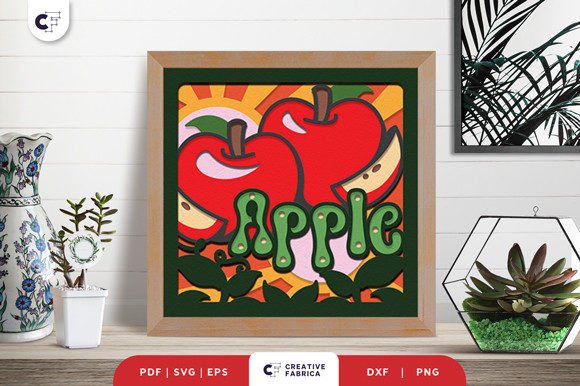
The design features huge fonts, large apples, and plenty of color, inspired directly by the fruit itself. Visually, it is striking. It carries a retro, nostalgic mood that feels perfect for modern farmhouse kitchens or vintage-inspired apparel. But before I commit this to a custom apparel project or list it as a finished product in my Etsy shop, I need to evaluate its structural integrity for thread. Here is my practical assessment of adapting this papercut aesthetic into a viable embroidery project.
Translating Paper Layers to Thread Density
The "3D Shadowbox" concept relies on physical spacing between paper layers. In embroidery, we cannot rely on air; we must create depth through stitch density and texture contrast. When reviewing the Groovy Apple Fruit 3D Shadowbox Papercut for stitch-out potential, I look at the separation of elements. The huge fonts mentioned in the description are an asset here. Large lettering allows for clean satin stitch columns or textured fill stitch areas without risking legibility.
However, the "intricate" nature of the original papercut requires caution. If you are converting this vector art into an embroidery file, you must simplify the inner details. Paper can hold a hairline cut; thread cannot. For a successful adaptation, I recommend treating the apple shapes as applique design elements rather than trying to replicate every paper layer with dense stitching. This maintains the bold, colorful personality of the design while keeping the finished product soft and wearable.
Real-World Application: The Custom Tote Bag Test
To truly judge this design, I mentally placed it on a canvas tote bag design project I am currently developing for a local farmer’s market client. The goal was a reusable shopping bag that felt artisanal yet durable. The Groovy Apple Fruit 3D Shadowbox Papercut seemed ideal because of its food ingredient inspiration and vibrant color palette.
In this scenario, the large template size works in our favor. A tote bag offers a flat, stable surface that accommodates the bold geometry of the apple and font combination. I envision using a cream-colored canvas base with deep red and forest green threads to mimic the shadowbox depth. The visual weight of the design anchors the bag, making it look like a premium handmade product rather than a generic print. For Etsy sellers and small shop product creators, this specific application highlights how a digital ornament asset can drive sales when applied to functional goods. The key here is scale; reducing this design too much would lose the groovy, retro impact that makes it sellable.
Fabric Compatibility and Stabilizer Strategy
Not every fabric respects a bold, multi-element design. Because the Groovy Apple Fruit 3D Shadowbox Papercut utilizes huge fonts and large solid areas, it demands a stable foundation. I would hesitate to use this on lightweight jersey knits or stretchy athletic wear without significant modification. The density required to make the colors pop could cause puckering or distortion on unstable fabrics.
For sweatshirt embroidery or fleece blankets, the design performs beautifully. The loft of the fabric complements the dimensional intent of the original shadowbox concept. Conversely, if you are attempting this on a tea towel or linen napkin, you must use a high-quality cut-away stabilizer. The large apple shapes act as anchors; if the fabric shifts during stitching, the registration between the text and the fruit will fail. Always test your thread colors against the specific fabric texture before running a full production batch. What looks vibrant on screen may appear muddy on unbleached linen or disappear entirely on dark denim.
Commercial Viability for Makers and Sellers
For the craft business owner or creative entrepreneur, time is money. The Groovy Apple Fruit 3D Shadowbox Papercut offers high perceived value due to its complexity and color usage. Customers associate multi-color, detailed designs with higher quality. This makes it an excellent candidate for holiday embroidery gifts, teacher appreciation items, or boutique branding.
However, commercial viability also depends on production speed. If you are digitizing this from the SVG yourself, be mindful of jump stitches. The transition between the large apple and the huge font needs to be pathed efficiently. Excessive trims slow down machine time and increase the risk of thread breaks. As a digital embroidery file seller, if you plan to resell the digitized version, you must ensure the stitch pathing is optimized for various hoop size constraints. Verify that the design fits within standard commercial hoops without requiring excessive re-hooping, which degrades alignment and professional finish.
Critical Pre-Stitch Checklist for Designers
Before you load this design into your machine or list it in your shop, run through these practical checks to protect your reputation and materials:
- Verify Licensing: Confirm whether the original Groovy Apple Fruit 3D Shadowbox Papercut license permits commercial embroidery use or derivative digitized products. Never assume an SVG purchase includes embroidery resale rights.
- Check Hoop Requirements: Measure the actual dimensions of the huge fonts and apples. Ensure your target hoop size has adequate clearance; tight hooping distorts complex shadowbox styles.
- Test Contrast: Print a black and white mockup or do a grayscale stitch-out. If the design relies solely on color for definition, it will fail on monochromatic garments. Ensure there is sufficient tonal contrast.
- Simplify for Washability: If creating baby embroidery or kitchen linens, reduce internal detail. Intricate paper cuts translate poorly to frequent washing. Opt for open fills over dense satin columns for longevity.
- Mockup Realistically: Use a printable mockup that reflects actual stitch texture. Flat vector previews mislead customers about the tactile reality of the embroidered patch or garment.
- Stabilizer Match: Pair the design weight with the correct backing. Heavy designs on light fabric require cut-away stabilizer; never rely on tear-away for large, dense apple motifs.
Final Thoughts on Adaptation
The Groovy Apple Fruit 3D Shadowbox Papercut is a vibrant, character-rich asset that translates well to embroidery when treated with respect for the medium. Its strength lies in its bold typography and thematic clarity, making it a winner for kitchen decor, market totes, and seasonal gifts. By focusing on fabric stability, efficient digitizing, and appropriate scale, makers can transform this digital ornament into a profitable, professional-grade textile product. Always remember that the best personalized gift or boutique item comes from understanding the limitations of thread as much as the beauty of the original design.