3D Rose Lantern SVG: An Embroidery Designer’s Review
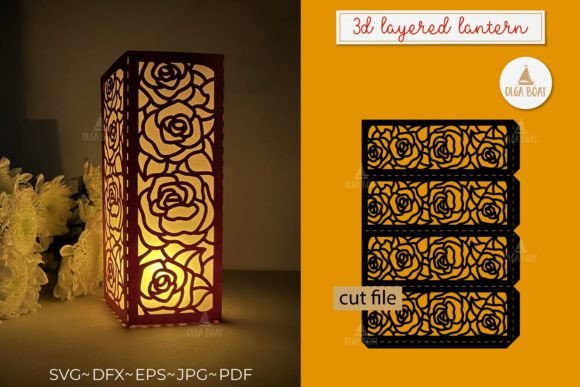
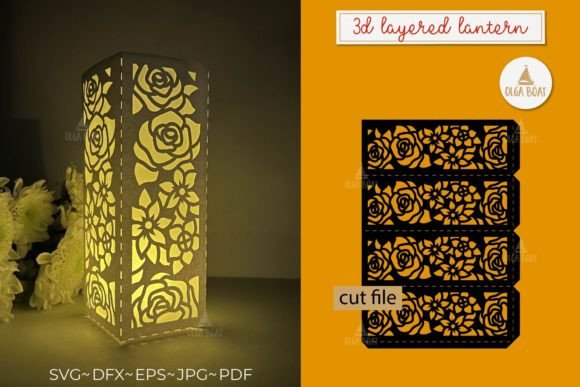
As a professional embroidery designer and product reviewer, I approach every new file with a critical eye. When I first opened the 3d Rose Lantern Svg Paper Cut Files, my immediate thought was not about paper crafting, but about translation. How does a design intended for layered cardstock perform when converted into thread? The visual mood is undeniably romantic and intricate, evoking a sense of vintage elegance that fits perfectly into the current market for cottagecore and botanical aesthetics. While this asset is marketed primarily as a 3D SVG for centerpieces and papercraft, its structural lines offer a unique opportunity for mixed-media artisans and embroiderers looking to create dimensional floral motifs.
Translating Paper Cut Lines to Stitch Paths
The first impression of this design is one of delicate complexity. In the world of machine embroidery design, we often struggle to find florals that don't look flat or overly digitized. Because the 3d Rose Lantern Svg Paper Cut Files originates from a layering concept, it inherently possesses depth. For an embroidery project, this means the vector lines can serve as excellent guides for applique design or multi-layered satin stitch work. Instead of a single dense fill stitch, I see this design working best as a guide for creating texture through varying stitch densities.
When evaluating this as a digital embroidery file, consider how the "lantern" aspect translates. Is it a literal lantern holding roses, or a rose shaped like a lantern? The silhouette suggests the latter—a sculptural flower form. This distinction matters for hoop size and stabilizer choice. A sculptural shape requires clean edges. If you are adapting this SVG into an embroidered patch or a sweatshirt embroidery piece, you will likely need to add underlay stitches that aren't present in a standard paper cut file to prevent fabric distortion.
Real-World Application: The Mother’s Day Tote Bag
To truly test the viability of this design, I mentally prototyped a custom apparel and accessory project: a premium canvas tote bag intended as a personalized gift for Mother’s Day. Tote bags are a staple for any craft business or Etsy seller because they offer a large, flat canvas that showcases detail well.
In this scenario, I envisioned using the 3d Rose Lantern Svg Paper Cut Files as the central motif. However, rather than stitching it entirely in thread, I considered a hybrid approach. Using a cutting machine to create fabric layers based on the SVG, and then securing them with a running stitch or narrow satin stitch, mimics the original paper-cut aesthetic while ensuring durability. This method reduces stitch count significantly, making the commercial embroidery process faster and more profitable for small shop products.
For a client requesting a "vintage garden" theme, this design hits the right emotional notes. It feels handmade and thoughtful, distinguishing it from generic clip-art florals. As a finished product, a tote featuring this design would photograph beautifully for printable mockups, driving buyer engagement through its obvious textural quality. The key here is leveraging the design's inherent layering logic to create a tactile experience that customers associate with high-value handmade goods.
Navigating Fabric Limitations and Hoop Constraints
While the aesthetic is versatile, practical application requires caution. Not every fabric texture can support the intricacy of a rose lantern motif. I would advise against using this design on highly textured fabrics like terry cloth or loose-weave linens without significant modification. The fine lines that define the "3D" effect in paper will get lost in the nap of a towel, resulting in a muddy appearance.
Stretchy fabrics also present a challenge. If you are planning baby embroidery on onesies or knit caps, the density required to make this design readable could cause puckering or stiffness. For these applications, you must simplify the file. Remove interior detail lines and rely solely on the outer silhouette. Always verify your hoop size before committing; this design likely has vertical proportions that may not fit standard 4x4 hoops without resizing, which can distort the aspect ratio of the rose petals.
Furthermore, consider the washing requirements. A tote bag or apron can handle denser stitching, but a baby item needs to remain soft. If the 3d Rose Lantern Svg Paper Cut Files contains tight corners or acute angles, ensure your digitizing software smooths these out to prevent needle breaks or thread bunching during production.
Elevating Brand Value Through Design Adaptation
For creative entrepreneurs and digital product sellers, how you adapt this asset defines your brand consistency. Simply stitching a downloaded file as-is rarely yields professional results. You must treat the SVG as a blueprint. By adjusting thread colors to match your boutique branding or modifying the stitch density to suit specific fabric weights, you transform a generic asset into a proprietary design element.
This level of customization builds customer trust. When a buyer sees that the embroidery on a holiday gift or wedding favor has been optimized for the material, they recognize the professionalism behind the handmade product. Visual appeal is directly tied to technical execution; crisp satin stitches and appropriate stabilizer usage signal quality. Conversely, poor adaptation leads to returns and negative reviews. Always test your adapted version on scrap fabric first. Check contrast between thread and fabric, especially if using pastel tones common in rose designs. Dark fabric backgrounds may require a white underlay or outline to make the lantern shape pop.
Critical Technical Notes for Makers
Before you load this design into your machine or list it in your shop, adhere to these professional guidelines:
- Verify Licensing: Confirm whether the 3d Rose Lantern Svg Paper Cut Files license permits commercial embroidery use. Some designers allow paper craft sales but restrict digital embroidery file redistribution or finished product sales.
- Digitize, Don't Just Convert: An SVG is a vector graphic, not a stitch file. Use professional embroidery software to assign stitch types. Do not rely on auto-digitizing features for complex floral shapes; manual pathing ensures better flow and fewer jumps.
- Stabilizer Selection: For woven fabrics, use a tear-away or cut-away stabilizer depending on density. For knits, always use a fusible no-show mesh to maintain garment drape.
- Mockup Testing: Create black and white mockups to evaluate value contrast before selecting thread colors. This ensures the 3D effect reads clearly even without color variation.
- Scale Appropriately: If resizing down for a cap or sleeve, reduce detail proportionally. Tiny lettering or micro-petals will not stitch out cleanly below certain thresholds.
- Sample First: Never run a final production piece without a sew-out. Inspect registration marks and edge definition. Adjust pull compensation if gaps appear between fills and outlines.
The 3d Rose Lantern Svg Paper Cut Files offers a beautiful foundation for embroidery artists willing to bridge the gap between digital vectors and textile art. It is not a plug-and-play solution but a sophisticated starting point for those who understand stitch mechanics. By respecting the limitations of fabric and investing time in proper digitization, you can elevate this design from a simple paper cut template to a stunning centerpiece of your embroidery collection. Whether for a heartfelt Mother’s Day gift or a signature item in your Etsy shop, success lies in the thoughtful translation of line to thread.