3D Star Place Card: An Embroidery Designer’s Review
When I first opened the files for the 3D Star Place Card, my immediate thought was about dimension. As an experienced designer who bridges the gap between digital cutting and needlework, I see this asset as more than just a papercut template. While it is marketed as a 3D SVG for cutting machines, its geometric structure holds immense potential for mixed-media embroidery projects. For those of us in the craft business or running an Etsy shop, finding design assets that cross over between vinyl, paper, and thread is a goldmine. This review evaluates how this specific shape translates from a screen-based vector to a tangible, stitched reality.
First Impressions and Visual Personality
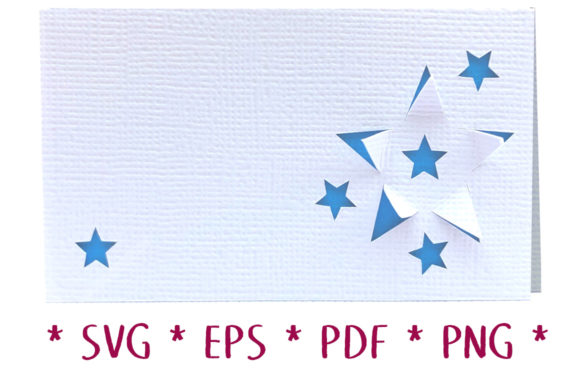
The mood of the 3D Star Place Card is undeniably celebratory yet structured. Unlike organic floral shapes that can sometimes look messy if not digitized perfectly, this star relies on clean lines and intentional angles. In a digital preview, the faceted edges suggest depth, which is exactly what we want to replicate in a handmade product. For an embroidery project, this geometry offers a fantastic framework. It feels modern rather than traditional, making it suitable for contemporary nursery decor, boutique branding, or upscale holiday gifts. The visual personality is crisp, suggesting that any stitch work applied to it needs to be equally precise to maintain that professional finish.
Real-World Application: Custom Tote Bags and Apparel
To truly test the viability of this design, I mentally mapped it onto a recent client request for custom embroidered tote bags intended as wedding favors. The bride wanted something that felt architectural but festive. Using the 3D Star Place Card as the foundational outline, I could visualize a stunning applique design. The sharp points of the star serve as perfect registration marks for placing fabric pieces, ensuring the final embroidered patch looks intentional and high-end.
For sweatshirt embroidery or baby clothes, this shape works beautifully as a chest placement. Because the star has distinct segments, it allows for creative color blocking using different thread colors without becoming overwhelming. I can easily see this working for a small shop product line where you offer personalized gifts; the star acts as a frame for a name or initial in the center. However, because this is originally a cutting file, you must verify that your embroidery software can import the vector lines cleanly to create a running stitch guide before adding satin stitch borders or fill stitch interiors. This extra step ensures the machine embroidery design aligns perfectly with the intended 3D aesthetic.
Navigating Fabric Texture and Hoop Constraints
While the 3D Star Place Card is versatile, it demands respect regarding fabric choice. The angular nature of the design means there is little room for error on textured fabrics like terry cloth or heavy linen. If the fabric texture is too aggressive, the sharp inner corners of the star may get lost or distorted during stitching. I recommend testing this design on smoother substrates first, such as quilting cotton for tea towels or stable twill for caps and aprons.
Hoop size is another critical consideration. This design likely has specific proportions to maintain its 3D illusion. If you attempt to shrink it down for a tiny baby bib or a sleeve cuff, the internal details may become too dense, leading to puckering or needle breaks. Conversely, enlarging it significantly for a pillow cover might require adjusting the stitch density to prevent gaps in the fill areas. Always confirm the optimal dimensions within your embroidery software before committing to a commercial embroidery run. For stretchy fabrics like jersey knits used in t-shirts, a cut-away stabilizer is non-negotiable to keep those straight star lines from warping after washing.
Elevating Product Value and Customer Trust
In the competitive world of Etsy sellers and creative entrepreneurs, presentation is everything. A well-executed interpretation of the 3D Star Place Card signals professionalism. When customers see crisp corners and balanced stitch density, they trust the quality of the finished product. This design lends itself to high perceived value because it looks engineered rather than doodled. Whether you are creating holiday embroidery for seasonal sales or year-round custom apparel, the consistency of this shape helps build brand recognition.
Furthermore, utilizing this asset for printable mockups can streamline your workflow. Before stitching a single sample, you can use the SVG file to create digital previews for your listings. This allows you to gauge buyer engagement and test different thread color combinations virtually. Once validated, you move to physical production with confidence, knowing the design resonates with your audience. This dual utility—as both a production asset and a marketing tool—makes it a smart investment for digital product sellers and makers alike.
Essential Technical Notes for Makers
Before you load this design into your machine or list it in your shop, please adhere to these practical guidelines derived from real-world testing:
- Verify File Compatibility: Since the 3D Star Place Card is described as a digital file for cutting machines, ensure you have converted it correctly for your embroidery machine. Check that the file formats match your equipment's requirements before purchasing or downloading.
- Test Stitch Out: Never skip the test sew on scrap fabric. Evaluate how the points turn out and adjust the pull compensation if necessary to prevent the star from shrinking inward.
- Thread Contrast: Test the design in black and white mockups and physical samples. Low-contrast thread on dark fabric can make the 3D effect disappear, while high contrast emphasizes the geometry.
- Licensing Check: Confirm whether the license permits commercial embroidery. Some digital assets allow for personal use only, while others permit selling finished products but not the digital embroidery file itself.
- Stabilizer Selection: Match your stabilizer to the fabric weight. Detailed corners require stability; floating the fabric without adequate backing will result in misalignment.
- Mockup Accuracy: When using this for digital product previews, ensure the mockup accurately represents the stitch texture so customers know they are buying a handmade product, not a printed image.
Final Thoughts on Design Versatility
The 3D Star Place Card is a robust starting point for makers who understand how to adapt vector art for needle and thread. It bridges the gap between papercraft and textile art, offering a unique opportunity to create layered, dimensional goods. Whether you are producing personalized gifts for a wedding, stocking your Etsy shop with seasonal decor, or refining your custom apparel offerings, this shape provides a reliable foundation. By paying attention to technical details like stitch density, fabric stability, and proper file conversion, you can transform this simple geometric template into a signature element of your creative business. Remember, the best embroidery projects are born from understanding the limitations and strengths of the source design, and this star has plenty of strength to offer when handled with care.