Best Father Ever 3D Shadow Box SVG Review
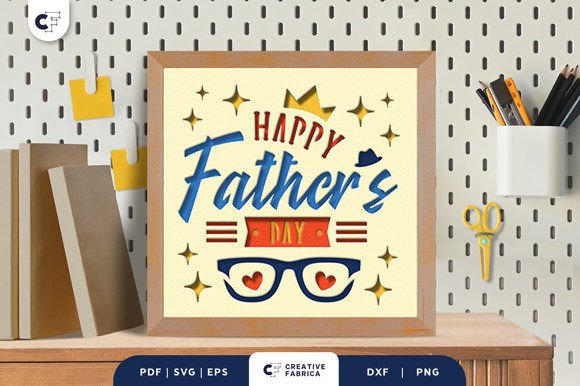
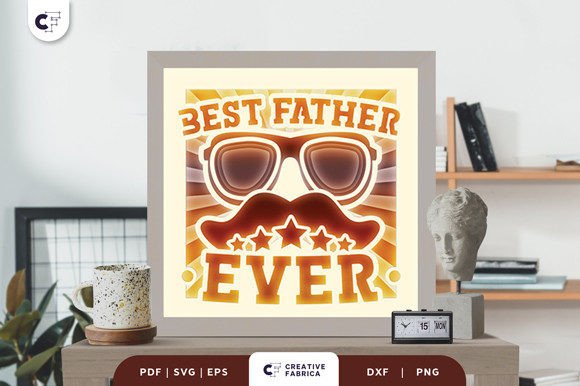
As a designer who regularly bridges the gap between digital assets and physical embroidery, I approach every new file with a healthy dose of skepticism. When I first opened the Best Father Ever 3D Shadow Box SVG, I wasn't just looking for a cute graphic; I was evaluating its structural integrity for translation into thread. This design, featuring a handsome paper-cut aesthetic complete with cool eyeglasses and a mustache, immediately struck me as more than just a standard Father S Day motif. It possesses a layered depth that mimics the dimensionality we strive for in high-end machine embroidery design.
The initial impression is one of masculine warmth without being overly sentimental. The "paper cut" style suggests distinct layers, which is a dream for digitizers and embroiderers alike because it naturally defines color blocks and stitch regions. However, moving from a vector-based 3D SVG to a tangible embroidered patch or sweatshirt embroidery requires careful consideration. My review focuses on how this specific template performs when subjected to the realities of needle, thread, and fabric tension.
Translating Paper-Cut Layers to Stitch Density
In my studio, I recently tested this concept for a custom apparel project intended for a boutique client wanting premium dad gifts. The goal was to create a sweatshirt that felt vintage yet modern. The challenge with any shadow box or layered design is managing stitch density. If you simply convert the SVG lines to satin stitches without adjustment, you risk creating a bulletproof vest on the chest of the garment.
For this Best Father Ever 3D Shadow Box SVG adaptation, I found that treating the glasses and mustache as separate applique design elements worked best. Rather than dense fill stitches, using a combination of running stitch outlines and light tatami fills preserved the "paper" illusion while keeping the fabric drape natural. The eyeglasses, in particular, require precision. In a digital file, curves are perfect; in embroidery, they can distort. I recommend testing the curve tension on scrap fabric first. If the bridge of the glasses pulls too tight, the entire face of the design warps. Adjusting the underlay and perhaps widening the satin column slightly ensured the glasses remained symmetrical after washing.
Ideal Applications for Commercial and Personal Projects
This design asset shines brightest when used on stable, medium-weight fabrics where the 3D effect can be appreciated without fighting the material. During my evaluation, I identified several high-value applications for Etsy sellers and small shop product lines:
- Custom Tote Bag Design: Canvas totes provide the perfect stability for this intricate layering. The contrast of dark thread against natural canvas makes the mustache and glasses pop, creating a highly giftable personalized gift.
- Pillow Covers and Home Decor: Because shadow box designs rely on visual depth, they work exceptionally well on home textiles where the item isn't worn against the skin. This allows for slightly higher stitch counts to achieve that realistic 3D shading.
- Holiday Embroidery Merchandise: While marketed for Father S Day, the classic aesthetic of the glasses and mustache makes this versatile enough for year-round "Dad" merchandise or even retro-themed winter holiday gifts.
- Embroidered Patch Production: The distinct borders inherent in paper-cut styles make this an excellent candidate for standalone patches. You can stitch these out on felt or twill, merrow the edge, and sell them as add-on accessories for caps or jackets.
For creative entrepreneurs, this versatility increases the ROI of the digital embroidery file. Instead of a single-use seasonal item, it becomes a staple in your catalog of handmade products.
Navigating Fabric Limitations and Hoop Constraints
Despite its charm, the Best Father Ever 3D Shadow Box SVG demands respect regarding placement and substrate. I would advise extreme caution when attempting this on stretchy knits or lightweight performance fabrics. The multiple layers required to simulate the shadow box effect introduce significant weight. On a thin t-shirt, this could cause puckering or dragging that no amount of stabilizer can fully correct.
Furthermore, consider your hoop size carefully. The detail in the eyeglass frames and the typography requires adequate space. Shrinking this design down to fit a 4x4 hoop for baby embroidery might seem appealing, but the tiny lettering and narrow satin columns could become lost or thread-bunched. If you intend to use this for baby items, I suggest simplifying the design or removing the text entirely, focusing solely on the iconic glasses and mustache motif at a safe scale. Always verify the minimum recommended size before stitching; what looks crisp on screen can turn into a thread nest at two inches wide.
Dark fabrics also present a unique challenge. Shadow box effects often rely on subtle shading or lighter background layers to create depth. On black or navy fabric, those nuances disappear unless you specifically adjust your thread colors. For dark garments, consider using a contrasting backing fabric or a visible stabilizer technique to maintain the 3D illusion.
Professional Notes for Makers and Sellers
Before listing finished products derived from this design, professional due diligence is non-negotiable. As someone who reviews commercial embroidery assets regularly, here is my practical checklist for ensuring quality and compliance:
- Verify Licensing Terms: Never assume a digital product allows for unlimited commercial use. Check whether the license covers selling physical embroidered items, digital files, or both. Protecting your craft business starts with respecting intellectual property.
- Test Stitch-Outs Are Mandatory: Do not run this directly on a customer’s garment. Run a test on similar fabric texture to check registration. The alignment of the glasses relative to the mustache must be exact; even a 1mm shift ruins the caricature effect.
- Evaluate Stabilizer Strategy: For this level of detail, a single layer of tear-away is rarely sufficient. I recommend a cut-away base for knit apparel to prevent distortion over time, topped with a water-soluble stabilizer to keep the satin stitches smooth and the fabric from pushing up through the design.
- Create Accurate Mockups: When selling online, use printable mockup templates that accurately reflect the texture of embroidery. Customers need to see how the 3D SVG translates to thread. A flat vector image misrepresents the final handmade product and can lead to returns.
- Thread Color Contrast Check: View your planned thread palette in grayscale. If the glasses and the background blend together in black and white, they will lack definition in real life. High contrast is key to selling the 3D shadow box aesthetic.
Final Verdict on Design Viability
The Best Father Ever 3D Shadow Box SVG offers a sophisticated alternative to generic text-based Father S Day designs. Its strength lies in its structured, layered composition which translates beautifully to thread when handled with technical awareness. For the experienced embroiderer or small business owner willing to test densities and select appropriate substrates, this design holds significant potential for creating high-perceived-value custom apparel and gifts.
However, success depends entirely on execution. Treat it as a technical project rather than a simple stitch-out. Respect the complexity of the shadow box illusion, prioritize stabilization, and always validate your licensing. When done correctly, this design doesn't just say "Best Father Ever"; it demonstrates the quality and craftsmanship of your brand, building trust and recognition with every stitch.