Diving in the Ocean 3D SVG: A Summer Asset Review
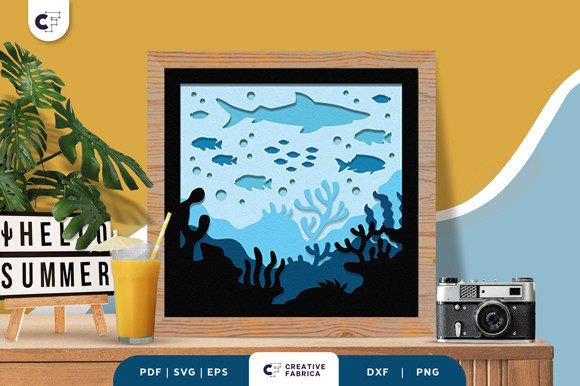
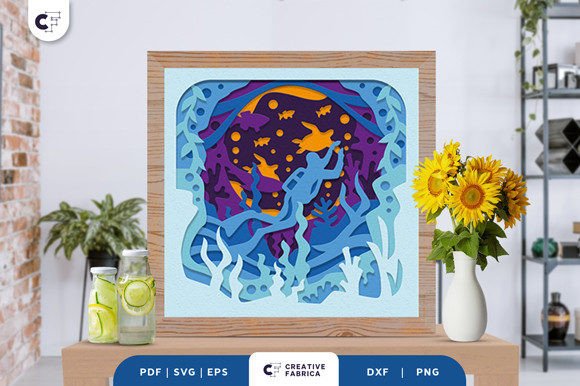
As a digital publisher and blog designer, I constantly evaluate graphic design assets not just for their aesthetic appeal, but for their functional utility in a real content workflow. When I first opened the files for the Diving in the Ocean 3D Shadow Box, my immediate assessment focused on its editorial versatility. This is not merely a decorative clip-art file; it is a structured summer-themed paper-cut template that offers genuine depth. The visual mood is distinctly immersive, balancing a playful artistic style with enough structural integrity to serve professional content needs. For publishers in the travel, lifestyle, hobbyist, or seasonal education niches, this asset communicates a sense of curated experience rather than generic stock imagery.
The specific depiction of a person diving adds a crucial human element to the composition. In editorial design, showing an active subject helps readers project themselves into the narrative, which is essential for engagement. Unlike flat vector illustrations, the layered nature of this 3D SVG creates natural shadows and separation, mimicking the tactile quality of physical craft. This makes it exceptionally strong for brands trying to bridge the gap between digital content and handmade authenticity. It feels modern yet nostalgic, supporting a brand identity that values creativity and leisure without sacrificing polish.
Elevating Featured Images and Pinterest Strategy
In my daily publishing workflow, the primary challenge is often stopping the scroll. The Diving in the Ocean 3D Shadow Box excels as a centerpiece for blog graphics and Pinterest pins. Because the asset relies on layering, it naturally supports visual hierarchy. I found that placing headline text over the negative space of the water layers maintained perfect readability while keeping the graphic engaging. For content marketing, this means higher click-through potential because the image looks custom-designed rather than pulled from a free repository.
When creating vertical graphics for Pinterest, the depth of the shadow box format allows for easy integration with Canva templates. You can separate the diver from the background layers to create dynamic compositions where text wraps around the subject. This flexibility is vital for affiliate marketing posts reviewing diving gear, swimwear, or summer travel destinations. The asset provides a cohesive visual anchor that ties together disparate product recommendations under a unified, high-quality aesthetic. Furthermore, as a digital download or lead magnet cover, it signals value; users are more likely to opt-in for a guide that looks professionally illustrated.
Best Applications for Editorial and Digital Products
Through testing across various layouts, I have identified specific areas where this asset performs best. Its strength lies in medium-to-large scale applications where the intricate paper-cut details remain visible.
- Website Headers: The horizontal aspect ratio of the shadow box concept translates beautifully to hero sections, setting an immediate seasonal tone.
- Digital Guides and eBooks: Use the diver silhouette as a recurring motif on chapter title pages to maintain thematic consistency.
- Newsletter Banners: The vibrant colors and clear focal point improve open rates by making email previews stand out in crowded inboxes.
- Printable Design: As a coloring page base or a cut-file for Cricut/Silhouette users, it serves dual purposes for DIY audiences.
- Social Media Graphics: Ideal for Instagram carousels explaining diving tips or summer safety, where each slide uses a different layer of the scene.
For small business branding, particularly those selling summer workshops or online courses, this asset acts as a premium visual shorthand. It elevates the perceived value of the educational content. When used in web design, the SVG format ensures crisp rendering on retina displays, avoiding the pixelation issues common with rasterized summer graphics.
Contextual Limitations and Placement Warnings
While versatile, the Diving in the Ocean 3D Shadow Box requires strategic placement. It is not a universal solution for every page on your site. I advise against using this asset in small mobile thumbnails or sidebar widgets. The intricate paper-cut details will collapse at low resolutions, resulting in a muddy visual that harms user experience. Similarly, avoid placing it on text-heavy blog images where the complex background competes with body copy. The asset demands breathing room to function effectively.
Publishers in strictly corporate, financial, or somber professional niches should use caution. The whimsical, handcrafted nature of this creative design may clash with serious brand messaging. It is inherently recreational. Additionally, be mindful of contrast when overlaying white text; always test against the brightest layers of the ocean gradient to ensure accessibility compliance. If your website utilizes a strict minimalist visual system, this asset might feel too ornate unless balanced with ample whitespace and simple typography.
Technical Workflow and Publisher Checklist
Before integrating this asset into a monetized site or commercial design project, run through this practical validation checklist. These steps ensure the asset supports both performance and legal compliance.
- Cross-Device Testing: Preview the graphic on desktop, tablet, and mobile. Ensure the diver remains the focal point and isn't cropped awkwardly by responsive CSS containers.
- Typography Pairing: Test the asset beside serif fonts for an editorial magazine look, sans-serif for modern clarity, and handwritten scripts for a personal blog feel. Avoid overly decorative display fonts that fight with the paper-cut texture.
- File Optimization: Even though it is an SVG, complex 3D shadow boxes can contain thousands of nodes. Simplify paths or export as optimized WebP/PNG for web headers to protect Core Web Vitals scores.
- Contrast Verification: Run a WCAG contrast check if using the image as a text background. Add a subtle dark overlay if necessary to preserve readability.
- Licensing Audit: Confirm the commercial license terms specifically for your use case. Verify if attribution is required for affiliate pages or if the license covers unlimited digital products versus single-use printables.
- Monochrome Test: View the asset in black and white. If the depth disappears, you may need to adjust stroke widths or spacing for users with visual impairments or for grayscale printing.
Final Verdict on Content Performance
Ultimately, the Diving in the Ocean 3D Shadow Box is a high-value addition to a creative marketplace toolkit. It solves a specific problem for publishers: how to convey seasonal warmth and hobbyist passion without resorting to cliché photography. By leveraging the dimensional qualities of this 3D SVG, bloggers and marketers can create a stronger first impression and better category recognition. The asset supports a polished, clickable aesthetic that builds reader trust through visual competence.
For those managing content calendars filled with summer campaigns, diving tutorials, or lifestyle features, this template reduces design friction while increasing output quality. It bridges the gap between amateur crafting and professional digital product creation. When used with intentionality—respecting its scale, contrast needs, and audience alignment—it transforms standard blog posts into immersive visual experiences. In an era where visual communication dictates engagement metrics, investing in specialized, layered assets like this is a strategic move for any serious digital publisher looking to capture the summer market.