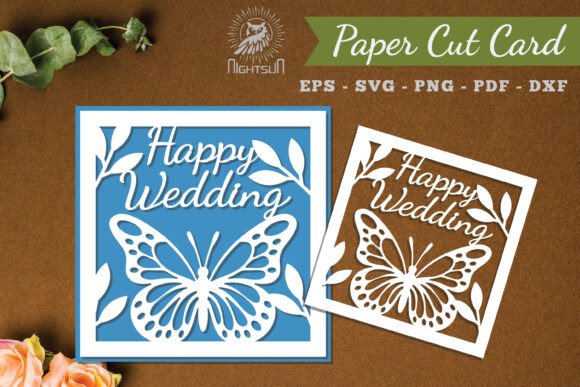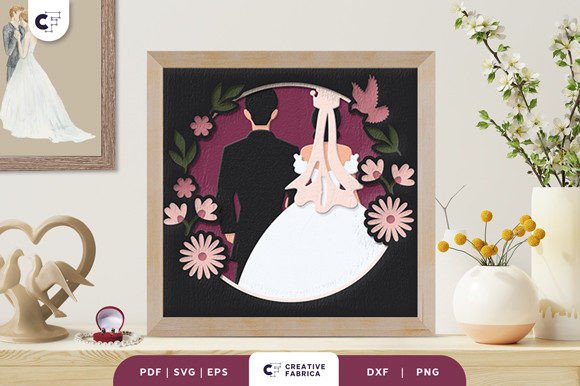
Happy Wedding Papercut Graphics for Crafts
As a digital product creator who manages multiple storefronts across Etsy and Creative Fabrica, I approach every new asset with a specific question: will this actually sell, or is it just another pretty file? When evaluating the Happy Wedding Layered Papercut for my upcoming bridal season collection, I looked past the initial aesthetic appeal to assess its true commercial viability. This graphic design asset immediately strikes a balance between traditional elegance and modern maker culture. It does not feel like a generic stock vector; instead, it possesses the intricate, dimensional quality that physical crafters and digital designers alike are currently seeking. The mood is distinctly romantic yet structured, making it highly attractive to buyers planning DIY weddings or creating premium stationery suites.
Evaluating Commercial Viability for Digital Sellers
In the saturated wedding niche, differentiation is key. My first impression of this illustration was that it solves a specific problem for small business branding and handmade business owners. Many wedding assets are flat and overly minimalist. This design offers depth through its layered composition, which translates exceptionally well to both physical and digital mediums. For an Etsy product listing, this visual personality suggests a higher perceived value than standard clipart. It appeals to the bride who wants a bespoke feel without hiring a custom illustrator, and it appeals to the fellow seller looking for high-quality base elements for their own commercial design projects.
The versatility here is significant. Because the file includes SVG, EPS, AI, PNG, and PDF formats at a 5x5 size, it serves as a robust foundation for various revenue streams. As a digital download, the inclusion of multiple vector formats ensures that professional designers can scale it for large signage, while the PNG caters to Canva template sellers and hobbyists. From a business perspective, this reduces customer support tickets regarding file compatibility, which is a major win for passive income products.
Real-World Application Across Product Categories
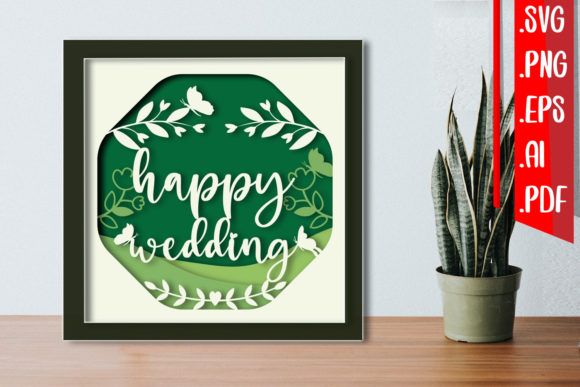
When testing this asset for my shop, I focused on three distinct product lines to gauge its flexibility. First, I tested it as a Cricut project file. The layered nature of the papercut design is perfect for shadow boxes and light box cards. Unlike complex illustrations that require extensive node editing, this SVG design appears optimized for cutting machines. Clean lines mean less weeding time for the end user, which is a critical selling point in the crafts category. I could easily envision this as a centerpiece for a "DIY Wedding Decor" bundle or a standalone digital download for bridal shower activities.
Secondly, I evaluated its potential for print-on-demand and sublimation design. While primarily a papercut style, the high-resolution PNG allows for beautiful application on ceramic mugs, tote bags, and tumblers. The 5x5 dimension is ideal for coasters, ornaments, and pocket-sized apparel graphics. I successfully mocked up a t-shirt design where the papercut texture provided a vintage, tactile look that flat vectors simply cannot achieve. For content creators and bloggers, this asset works beautifully as a header image or social media graphics element, adding a festive yet sophisticated touch to wedding planning guides or vendor spotlights.
Thirdly, I considered its role in printable design and stationery. The PDF and EPS files make it suitable for invitation templates and thank-you cards. I paired the design with a delicate serif font and a contrasting script font to test typographic hierarchy. The negative space within the layered papercut structure provides natural areas for text placement without obscuring the artwork. This makes it an excellent candidate for Canva template sellers who need editable, commercially safe backgrounds for client work.
Optimizing Listing Images and Visual Hierarchy
A great asset fails if the thumbnail doesn't convert clicks. In my testing, I found that the Happy Wedding Layered Papercut excels in product mockups because of its inherent dimensionality. When creating listing images, avoid placing this design on busy, patterned backgrounds. Instead, use solid pastel tones or soft linen textures to mimic real paper. This reinforces the "papercut" concept visually. For creative marketplace listings, showing the design in a stacked, 3D-rendered format significantly increases click-through potential compared to a flat 2D preview.
Visual storytelling is essential for brand identity. I recommend creating a composite image that shows the asset in context: perhaps a framed shadow box next to a matching digital invitation. This demonstrates versatility to the buyer instantly. However, be mindful of visual hierarchy. Because the design is detailed, your thumbnail text must be bold and legible. Do not let the intricacy of the graphic compete with your primary keywords. Use the asset to frame your text rather than having text overlay the most complex parts of the illustration.
Technical Considerations and Usage Limitations
While this graphic design asset is versatile, experienced sellers know that no file is perfect for every scenario. There are specific contexts where this design should be used carefully. Due to the intricate layering, it is not suitable for tiny sticker designs or planner stickers under one inch. The fine details will likely tear during physical cutting or become muddy when printed at small scales. Similarly, avoid using this on dark backgrounds unless you add a white outline or backing layer; the internal shadows that give it depth will disappear against black or navy, flattening the effect.
For those using this in low-resolution print products, verify the DPI before publishing. While the vector files are scalable, ensure any rasterized exports maintain at least 300 DPI at the intended print size. If you are incorporating this into a design bundle, organize your files clearly. Customers appreciate separate folders for cut files versus print files. Always confirm the commercial license terms before selling finished products. While instant digital downloads are convenient, understanding your rights protects your business from future legal issues.
Seller Checklist Before Publishing
Before adding this asset to your shop, run through this practical validation list to ensure professional quality:
- Test Cut Validation: Run a physical test on cardstock to ensure bridges are wide enough for standard blades.
- Transparency Check: Verify the PNG has a clean transparent background with no white fringing.
- Mockup Diversity: Create previews for at least three different product types (e.g., paper craft, apparel, digital invite).
- Font Pairing: Test with at least two free-for-commercial-use fonts to ensure customers can replicate the look.
- File Organization: Zip files logically so the customer experience is seamless upon download.
- Contrast Testing: View the design on both white and cream backgrounds to ensure visibility.
Ultimately, the Happy Wedding Layered Papercut represents a strong addition to a commercial design portfolio. It bridges the gap between traditional crafting and modern digital product creation effectively. By focusing on its strengths in layered paper crafts, elegant stationery, and textured merchandise, sellers can create a cohesive, profitable collection. Just remember to respect the technical limitations regarding size and contrast, and always prioritize clear, honest presentation in your listings. When utilized correctly, this asset supports both creative expression and sustainable business growth in the competitive wedding market.