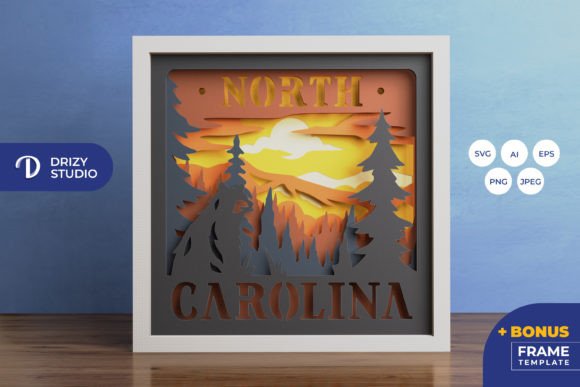
North Carolina 3D SVG for Shadow Boxes Branding
Evaluating Regional Charm for Local Business Identity
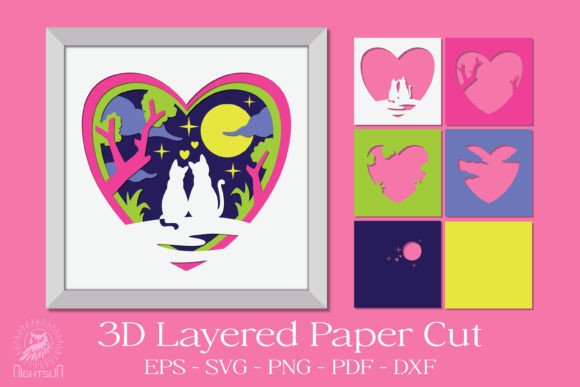
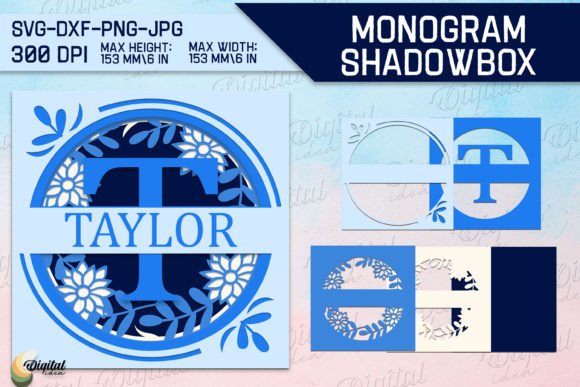
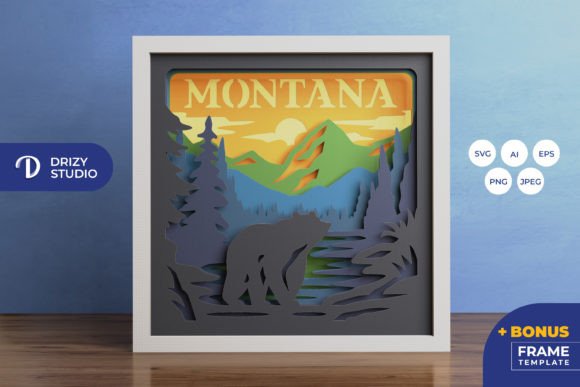
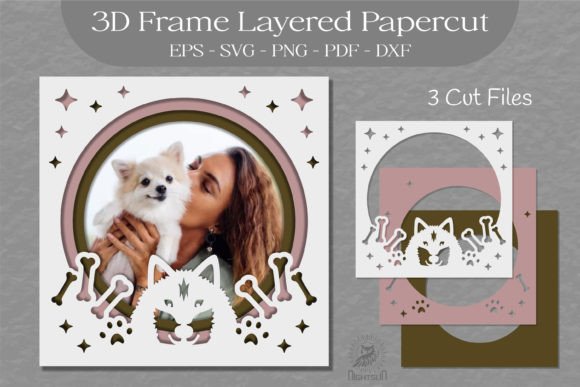
As a brand designer specializing in local commerce and artisanal products, I approach every graphic design asset with a critical eye toward commercial viability. When reviewing the North Carolina 3D Shadow Box template, my first impression is one of distinct regional warmth and tactile nostalgia. This asset does not scream modern minimalism; instead, it whispers heritage, craftsmanship, and homegrown authenticity. For a small business branding project, specifically within the Tar Heel State, this layered paper-cutting style suggests a brand personality that is organic, friendly, and deeply rooted in community values.
The mood created by this 3D SVG is inherently decorative yet structured. The square format provides a necessary geometric constraint that keeps the intricate layering from feeling chaotic. In a real-world scenario, imagine designing for a boutique honey producer in Asheville or a handmade pottery studio in Charlotte. This asset immediately communicates "local" without relying on overused clichés. It feels premium in a rustic sense, suggesting that the product inside was made with care and attention to detail. However, as a professional, I must note that while the description mentions a "Fox Shadow Box," the primary utility here lies in its adaptability as a state-specific emblem for packaging design and promotional materials.
Strategic Applications in Packaging and Product Presentation
For local business owners, versatility is key. This North Carolina 3D Shadow Box template serves as more than just wall art; it is a functional element of brand identity. In my recent work with artisanal food brands, I have found that layered paper-cut aesthetics translate beautifully to physical touchpoints. Here is how this specific asset performs across various commercial design applications:
- Product Labels: When scaled down, the silhouette works exceptionally well as a secondary graphic on jar labels or bottle tags. It acts as a geographic seal of quality, reinforcing the origin story for customers who value locally sourced goods.
- Packaging Accents: For bakery boxes or candle packaging, using this design as a debossed element or a spot UV layer adds significant shelf appeal. The depth implied by the shadow box style mimics actual texture, making flat packaging feel more substantial.
- Thank-You Cards and Inserts: This is perhaps the strongest use case. As a printable design element on post-purchase cards, it reinforces brand recall and encourages social media sharing. Customers love photographing unboxing experiences that feature distinct regional art.
- Social Media Graphics: Digital consistency matters. Using this asset as a frame or background texture in Instagram stories or Facebook ads creates a cohesive visual language between your physical products and online presence.
When integrated correctly, these applications support stronger emotional connections with customers. They transform a generic transaction into a localized experience, which is vital for handmade business success.
Enhancing Visual Hierarchy and Customer Trust
A common pitfall in small business branding is the lack of visual hierarchy. Text-heavy labels often fail to capture attention. The North Carolina 3D Shadow Box asset solves this by providing a strong focal point. Because the design relies on positive and negative space rather than solid blocks of color, it allows for better readability when paired with typography. It guides the eye naturally, supporting a clearer flow of information on marketing visuals and website banners.
Furthermore, high-quality design assets signal professionalism. When a customer sees a polished, custom-feeling illustration on a product mockup or actual packaging, their perceived value of the product increases. This asset helps bridge the gap between DIY aesthetics and professional branding. It tells the consumer that the business owner has invested in their presentation, which directly correlates to trust in the product's quality. For businesses selling edible goods or skincare, this trust is non-negotiable.
Where This Asset Shines and Where to Exercise Caution
While versatile, no single illustration fits every context. Based on my evaluation, this North Carolina themed template excels in specific environments but requires restraint in others.
Ideal Use Cases
This asset is a powerhouse for hero graphics on websites, seasonal campaign visuals, and boutique signage. It works best when the brand voice is warm, inviting, and story-driven. If you are creating a Canva template for a client’s social media kit or designing a limited-edition holiday label, the layered complexity of this SVG design adds immediate value. It is also excellent for editorial design in local magazines or tourism brochures where capturing the essence of the region is paramount.
Areas Requiring Careful Consideration
Conversely, I would advise against using this asset in highly formal corporate branding or luxury minimalist contexts where clean lines and ample whitespace are the standard. The intricate nature of paper-cutting styles can clash with stark modernism. Additionally, avoid placing this detailed graphic in areas requiring dense legal text or ingredient lists. On very small labels, the fine details of the layers may get lost during printing, resulting in a muddy appearance. Always ensure there is sufficient contrast; this design needs breathing room to maintain its visual hierarchy.
Essential Designer Notes for Commercial Implementation
Before integrating this North Carolina 3D Shadow Box into a live project, experienced designers must perform due diligence. Whether you are sourcing from a creative marketplace or a direct vendor, technical validation is part of the job.
- Verify Commercial Licensing: This is the most critical step. Ensure the commercial license explicitly covers physical product sales and client work. Personal use licenses do not suffice for small business branding.
- Test Vector Editability: As a 3D SVG, confirm that the layers are properly grouped and named. You may need to adjust colors to match specific Pantone references or simplify nodes for laser cutting. A flattened image disguised as an SVG will limit your flexibility.
- Check Print Quality at Scale: Test the asset on real product mockups and physical proofs. Paper-cut styles often contain hairline gaps that may not print well on textured paper or at small sizes. Verify PNG transparency if you plan to overlay it on colored backgrounds.
- Typography Pairing: Test the asset beside various font styles. It typically pairs best with serif fonts for a heritage look or clean sans-serifs for legibility. Avoid overly ornate script fonts, as they may compete with the intricacy of the shadow box layers.
- Black and White Conversion: Always preview the design in monochrome. If the depth relies solely on color rather than luminance, it may fail in single-color printing scenarios like embossing or receipt paper.
By treating this North Carolina 3D Shadow Box as a strategic tool rather than mere decoration, marketers and packaging designers can leverage its unique aesthetic to build stronger, more recognizable local brands. It is a testament to how specific, culturally relevant digital products can elevate the tangible reality of small business commerce.