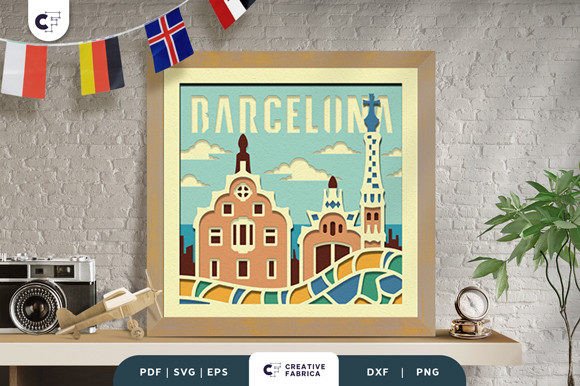
Parc Guell Barcelona 3D Paper Cut SVG Review
As a designer who constantly bridges the gap between digital files and tangible textiles, I approach every new asset with a healthy dose of skepticism. When I first opened the Parc Guell Barcelona 3D Paper Cut SVG, I wasn't just looking at a pretty picture; I was mentally deconstructing it for stitchability. This file is marketed as a theme park 3D shadow box product and a piece of art, but for those of us running an embroidery business or managing a handmade shop, the real question is always the same: will this translate beautifully onto fabric, or will it become a thread-eating nightmare?
My initial impression was that this design captures the whimsical, mosaic-heavy essence of Gaudi’s architecture perfectly. The "paper cut" aesthetic implies distinct layers and clean lines, which is actually a massive advantage for machine embroidery. Unlike photorealistic designs that require thousands of overlapping fill stitches to create shading, this stylized approach relies on bold shapes and negative space. For a crafter or Etsy seller, this means faster run times and less puckering, provided you understand how to leverage its unique structure.
Translating Digital Layers to Custom Apparel
I recently tested this concept while preparing a custom apparel order for a client visiting Spain. They wanted a sweatshirt that felt like a souvenir but looked high-end enough for daily wear. The Parc Guell Barcelona 3D Paper Cut SVG was the ideal candidate because its graphic nature suits heavy cotton fleece better than intricate landscapes do. When adapting this 3D SVG for sweatshirt embroidery, I treated the digital layers as color blocks.
Instead of trying to replicate a paper shadow box literally with thread, I used the distinct outlines as guides for satin stitch borders and filled the interior sections with lighter density fill stitches. The result was a textured, raised effect that mimicked the depth of the original 3D SVG without adding excessive bulk. For small shop products like tote bags or aprons, this design works exceptionally well because the bold geometric patterns remain legible even from a distance. It avoids the muddiness that often plagues complex architectural embroidery on coarse fabrics.
Navigating Fabric Texture and Stabilizer Choices
While the design is versatile, it demands respect for fabric texture. During my test run on a lightweight linen tea towel, I noticed that the sharp corners of the paper cut style can pull if the stabilizer isn't adequate. Because this design originates from a Countries category focused on Spanish landmarks, there is a temptation to use rustic, uneven weaves to match the theme. However, highly textured fabrics can obscure the crisp edges that define this specific artwork.
If you are creating baby embroidery items or delicate personalized gifts, you must be cautious. The layered look of the Parc Guell Barcelona 3D Paper Cut SVG requires precise registration. On stretchy knits or thin gauze, even minor shifting can make the layers look misaligned rather than intentionally stacked. I strongly recommend using a firm cut-away stabilizer for apparel and a medium-weight tear-away for stable home decor items. Always verify the hoop size requirements in your embroidery file before committing to a project; forcing a large, multi-layer design into a smaller hoop by resizing can distort the aspect ratio and ruin the architectural proportions.
Commercial Viability for Makers and Sellers
For creative entrepreneurs and digital product sellers, the value of this asset extends beyond a single finished product. The visual clarity of the Parc Guell Barcelona 3D Paper Cut SVG makes it excellent for printable mockups and digital previews. When listing on Etsy or showcasing commercial embroidery services, customers need to instantly recognize the landmark. The stylized, graphic quality of this design ensures it reads clearly in thumbnail images, unlike dense scenic embroideries that turn into blobs on mobile screens.
From a business perspective, this design offers great flexibility for holiday embroidery or travel-themed collections. It strikes a balance between artistic expression and recognizable iconography. However, if you plan to sell this as part of a larger collection of design assets or incorporate it into merchandise for sale, you must confirm the licensing terms. Ensure the digital embroidery file permits commercial use for finished goods versus digital redistribution. Professionalism and customer trust are built on respecting intellectual property, so never assume a license covers all intended uses.
Practical Designer Notes for Stitch Success
Before you load this design into your machine for a final production run, take these practical steps to ensure professional results:
- Test on Scrap Fabric First: Never stitch this directly onto a final garment without a trial. The interaction between the satin stitch outlines and fill areas varies wildly between denim, canvas, and jersey.
- Check Thread Color Contrast: The 3D paper cut effect relies on separation. If your thread colors are too similar, the layers will blend together, losing the dimensional appeal. Test in black and white mockups to ensure value contrast exists independent of hue.
- Review Stitch Density: Inspect the embroidery file in your editing software. If the design was originally intended for laser cutting or paper crafting, it may lack necessary underlay or pull compensation for fabric. Add these elements if they are missing.
- Evaluate Small Details: Architectural designs often feature tiny windows or mosaic tiles. If these details are smaller than 2mm, they may not stitch out cleanly. Consider simplifying or removing microscopic elements that will only cause thread breaks.
- Confirm Hoop Compatibility: Measure the actual dimensions of the design against your available hoops. Leaving adequate margin for the hoop frame prevents stitching errors and allows for proper tension.
Final Thoughts on Artistic Application
The Parc Guell Barcelona 3D Paper Cut SVG is more than just a novelty file; it is a sophisticated design asset that rewards thoughtful application. Its strength lies in its ability to bridge the gap between modern digital aesthetics and traditional needlework. Whether you are producing an embroidered patch for a backpack, designing a nursery pillow cover, or creating boutique branding materials, this design brings a level of artistic intentionality that generic clipart lacks.
Success with this file comes down to understanding its origins. It is a translation of a 3D object into a 2D stitch format. As makers, our job is to honor that translation by choosing the right stabilizer, respecting the scale, and selecting fabrics that support its structural integrity. When executed correctly, the result is a handmade product that feels curated, culturally resonant, and professionally crafted. Just remember to verify all technical specifications within your specific software and machine manual, as file compatibility and performance can vary across different ecosystems. With careful preparation, this design can become a standout piece in your embroidery portfolio.