Military Eagle 3D Shadow Box Paper Cut Review
As a professional embroidery designer and product reviewer, I approach every new digital asset with a critical eye toward production reality. When evaluating the Military Eagle 3D Shadow Box Paper Cut, my primary concern is not just how the file looks on a screen, but how it translates into a tangible, high-quality finished product. This design carries significant weight; it is categorized under Independence Day themes and symbolizes patriotism, making it a staple for military families, veterans, and patriotic events. However, because this is marketed as a 3D SVG paper cut style, we must carefully assess its viability as a machine embroidery design before committing it to fabric.
First Impressions: Visual Weight and Structural Integrity
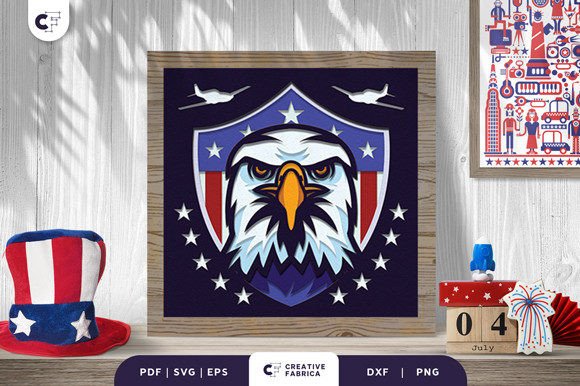
My initial assessment of the Military Eagle 3D Shadow Box Paper Cut focuses on the interplay between shadow and definition. In paper crafting, depth is physical. In embroidery, depth is an illusion created through stitch density, thread color contrast, and layering. This design appears to rely heavily on distinct separation between the eagle, the shield, and the background elements to achieve that signature "shadow box" aesthetic.
For an embroidery project, this visual personality suggests a bold, graphic outcome rather than a photorealistic one. The layout feels structured and centered, which is excellent for symmetry-dependent items like caps or chest placements. However, the intricate layers implied by the "paper cut" description raise immediate questions about stitch count and registration. As a designer, I look for clean running stitches that define these layers without creating excessive bulk. If the digitizer has successfully translated the paper-cut aesthetic into optimized fill stitches and satin stitch borders, this could be a standout piece. If not, we risk a dense, stiff result that pulls on lightweight fabrics.
Real-World Application: Customizing a Veteran’s Tote Bag
To truly judge this embroidery file, I mentally placed it in a specific commercial scenario: creating a custom embroidered tote bag for a local VFW fundraiser. Tote bags are a classic canvas for patriotic designs, but they present unique challenges due to canvas texture and the need for durability.
In this real-life application, the Military Eagle 3D Shadow Box Paper Cut would serve as the central focal point. For a handmade product intended for sale or donation, clarity is paramount. I envision using a heavy-weight tear-away stabilizer paired with a spray adhesive to prevent shifting during the multiple color changes required for the 3D effect. The design’s layered nature means alignment is everything. If the eagle shifts even two millimeters from the shield base, the shadow effect fails, and the product looks unprofessional.
From a customer perspective, this design offers high perceived value. It moves beyond generic flag clip art into something that feels architectural and crafted. For an Etsy seller or small shop owner, this distinction matters. Buyers looking for personalized gifts for service members often reject flat, cartoonish eagles in favor of designs that convey respect and tradition. This shadow box style bridges that gap, offering a modern twist on traditional military iconography that photographs beautifully in printable mockups and listing images.
Navigating Fabric Limitations and Hoop Constraints
While the design shows promise for sturdy items like tote bags and sweatshirt embroidery, caution is necessary when applying it to other substrates. The "3D" aspect likely involves higher stitch density to create contrast, which can be problematic on thin or stretchy fabrics.
- Avoid Lightweight Knits: Do not use this design on baby clothes or thin t-shirts unless significantly resized or modified. The density required to mimic paper layers will cause puckering and may compromise the garment's drape.
- Textured Fabrics: On towels or fleece, the fine details of a paper-cut style can get lost. You may need to add a topping stabilizer to ensure the running stitches remain visible above the pile.
- Curved Surfaces: While the symmetrical layout suggests cap compatibility, verify the hoop size and curvature. Shadow box designs often have rigid vertical lines that distort easily on curved brims. Test on a scrap cap first.
- Dark vs. Light Backgrounds: Paper cut designs typically rely on white or light backgrounds to show shadows. If stitching on dark navy or black fabric, confirm the embroidery file includes a white underlay or background plate. Without it, the shadow effect will vanish into the fabric.
Commercial Viability for Makers and Sellers
For creative entrepreneurs and apparel decorators, time is money. A complex machine embroidery design is only profitable if it runs smoothly and yields consistent results. The Military Eagle 3D Shadow Box Paper Cut has strong potential for holiday embroidery sales, particularly around Memorial Day, Flag Day, and the Fourth of July.
However, professionalism hinges on execution. Before listing any finished product featuring this design, you must validate the stitch quality. Check for jump stitches that require excessive trimming, as these increase post-production labor. Inspect the transition points between the eagle and the shield; smooth transitions indicate superior digitizing, while jagged edges suggest a direct conversion from SVG to PES/DST without manual cleanup.
Furthermore, consider the licensing. As a digital embroidery file, ensure you have the commercial rights to sell physical items made with this design. Many designers allow personal use but restrict commercial sales. Always verify this before integrating the design into your craft business inventory. For digital product sellers offering this as part of a bundle, providing accurate mockups showing the design on realistic textures helps manage buyer expectations regarding the final stitched appearance.
Critical Pre-Stitch Checklist for Designers
Before loading this design into your machine for a client project or shop stock, run through this practical evaluation protocol. These steps protect your reputation and materials.
- Verify Specifications: Confirm the exact stitch count, dimensions, and color count. Since these vary by digitizer, never assume standard sizing. Ensure the design fits your available hoop size with adequate margin for stabilization.
- Test Stitch-Out: Never stitch directly on a sellable item first. Use a scrap of the exact fabric and stabilizer combination you plan to use. Evaluate registration, density, and edge definition.
- Contrast Check: Review thread colors against your chosen fabric. The shadow effect depends entirely on value contrast. If the shadow thread blends too closely with the base fabric, the 3D illusion breaks.
- Mockup Validation: Create both light and dark background mockups. This ensures the design reads well across different product variations and helps identify potential visibility issues before production.
- Wash Test: If creating tea towels, aprons, or baby items, wash and dry the test swatch. High-density shadow box designs can shrink or distort differently than the base fabric. Pre-shrinking materials and testing durability is non-negotiable for quality handmade products.
Final Verdict on Production Readiness
The Military Eagle 3D Shadow Box Paper Cut represents a sophisticated intersection of digital art and textile craft. Its success as an embroidery project depends entirely on respecting its structural requirements. When executed correctly on appropriate substrates like canvas, denim, or stable twill, it delivers a premium, patriotic aesthetic that resonates deeply with its target audience. It elevates standard Independence Day merchandise into meaningful, heirloom-quality goods.
However, it demands respect from the operator. This is not a "set it and forget it" applique design for beginners. It requires thoughtful stabilizer selection, precise hooping, and diligent testing. For the experienced maker willing to invest that care, this design offers a pathway to distinctive, high-value products that stand out in a saturated market. Just remember: always check the specific technical data provided with your file, test relentlessly, and let the quality of your craftsmanship honor the symbolism of the design itself.