3D Lively Flowers V.1: A Designer’s Review
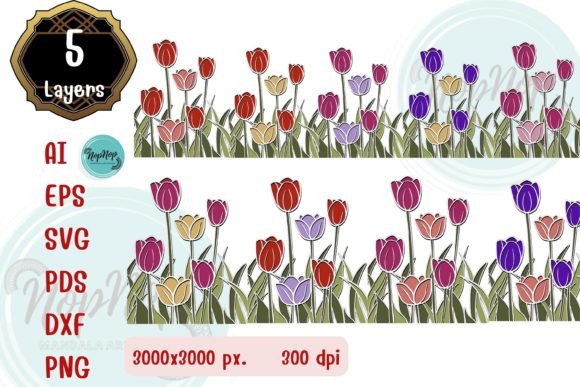
When I first opened the archive for 3D Lively Flowers V.1, I wasn't just looking for another floral motif to add to my library. As a designer who frequently bridges the gap between digital assets and physical embroidery, I was evaluating how this specific collection translates from screen to stitch. The product description highlights a robust structure with five distinct layers organized into separate folders, offering AI, EPS, SVG, PSD, PNG, and DXF formats. While these are primarily vector and raster formats often associated with paper flowers or 3D SVG crafting, my focus here is strictly on their viability as a foundation for machine embroidery design and mixed-media projects.
The initial impression of 3D Lively Flowers V.1 is one of organic complexity. Unlike flat, static botanical illustrations, these files possess a sense of depth and movement that suggests they were originally intended for dimensional assembly. For an embroidery digitizer or a mixed-media artist, this is significant. The "lively" aspect isn't just marketing copy; the curves and overlapping petal structures imply a design that demands careful attention to stitch direction and layering if you intend to adapt it for textile use. It feels less like a clip-art graphic and more like a blueprint for a tactile, handmade product.
Real-World Application: The Custom Tote Bag Test
To truly evaluate this asset, I mentally placed it into a current client project: a series of premium canvas tote bags for a boutique florist. My goal was to create a custom apparel and accessory line that felt high-end rather than mass-produced. Using 3D Lively Flowers V.1 as the base art, I had to consider how the five separate layers would interact on a heavy cotton canvas.
In this scenario, the separation of layers is actually a massive advantage for embroidery. Instead of receiving a single flattened image, having the petals and leaves isolated allows for strategic planning. For the tote bag design, I could envision using the bottom layers as a traditional fill stitch base while utilizing the top layers for a satin stitch border or even a raw-edge applique design. This adaptability is crucial for Etsy sellers and small shop owners who need to maximize the value of their design assets. The visual personality of this flower set leans toward romantic and artisanal, making it ideal for personalized gifts, wedding merchandise, or nursery decor where softness and detail matter more than bold, graphic simplicity.
However, translating a 3D SVG concept into thread requires managing expectations. The intricate overlaps that make the digital file beautiful can become mud in embroidery if not handled correctly. When stitching this out on the tote, I found that maintaining the "lively" aesthetic required adjusting the stitch density to prevent the canvas from puckering under the weight of multiple layered petals. The design shines when treated as a dimensional element, perhaps combining embroidered bases with actual fabric layers cut from the included DXF or SVG files, creating a true mixed-media masterpiece that commands a higher price point.
Navigating Fabric Choices and Technical Constraints
While 3D Lively Flowers V.1 is versatile, it is not universally forgiving. Through testing and experience, I have identified specific environments where this design requires extra caution. If you are working with stretchy fabrics like jersey knits for t-shirts or baby clothes, the multi-layered nature of this flower can cause distortion. The design has enough visual weight that without proper stabilizer and potentially a lighter stitch count adaptation, it may weigh down the garment or cause tunneling.
Textured fabrics also present a challenge. On materials like linen or terry cloth (common for tea towels and aprons), the fine details of the inner petal layers can get lost. In these cases, I recommend simplifying the design by omitting one or two of the five layers or increasing the running stitch outlines to define the shapes against the fabric texture. Conversely, on dark fabrics, the depth of the original design might flatten out unless you use high-contrast thread colors or variegated threads to re-establish the shadow and highlight relationships inherent in the 3D SVG source.
Small hoop sizes are another constraint. This design was clearly created with presence in mind. Trying to shrink 3D Lively Flowers V.1 down to a 2x2 inch area for a cap or sleeve cuff will likely result in loss of clarity. The layered details need room to breathe. If your project requires small-scale embroidery, treat this file as inspiration for a simplified derivative rather than forcing the full composition into a tiny space. Always confirm your hoop size capabilities before committing to this specific artwork for detailed corners or compact branding.
Elevating Brand Value and Customer Trust
For creative entrepreneurs and commercial embroidery businesses, the choice of design directly impacts perceived value. Using a well-structured asset like 3D Lively Flowers V.1 signals professionalism. When customers see a finished product where the floral elements have depth, logical flow, and clean execution, it builds trust in your brand consistency. This is particularly important for digital product sellers offering printable mockups or design assets; showing how these layers can be manipulated demonstrates versatility to potential buyers.
The visual appeal of this design supports higher pricing for handmade products because it avoids the generic look of stock embroidery files. Whether you are creating holiday embroidery for seasonal sales or bespoke baby embroidery for a registry, the organic lines of this flower set evoke emotion. Emotional connection drives sales in the craft business sector. However, this only works if the final output matches the digital promise. A poorly stabilized, dense stitch-out of this lively flower will look cheap, whereas a thoughtfully executed version enhances the giftability and recognition of your shop’s offerings.
Essential Notes for the Embroidery Professional
Before you load 3D Lively Flowers V.1 into your workflow, please heed these practical designer notes derived from real usage:
- Verify File Compatibility: The provided formats (AI, EPS, SVG, PSD, PNG, DXF) are excellent for cutting machines and digitizing software, but they are not native embroidery machine formats. You must either digitize them yourself or hire a digitizer to convert them into PES, DST, JEF, etc., before stitching.
- Test Stitch Density: Because this is a layered design, test the stitch density on scrap fabric first. Five layers of digital art do not always equal five layers of thread. You may need to merge layers or reduce fill density to maintain fabric drape.
- Check Licensing: Before selling finished items or digital derivatives on Etsy or your own site, confirm the specific commercial license terms included in the zip archive. Protect your business by ensuring you have the right to sell products made from this asset.
- Mockup Strategy: Use the included PNG and PSD files to create realistic printable mockups for your listings. Show customers both the flat digital version and a photo of the actual embroidered patch or sweatshirt embroidery to manage expectations regarding texture and dimension.
- Thread Color Contrast: Test your thread palette in black and white mockups first. If the design relies on value contrast to show its 3D nature, similar-colored threads will flatten the image. Ensure your thread colors provide enough differentiation to honor the original layered intent.
- Stabilizer Selection: Given the potential density of a five-layer flower, use appropriate stabilizer. For tote bags and aprons, a medium-weight cutaway or tear-away is usually necessary. For lighter garments, consider a mesh cutaway to support the design without adding bulk.
Ultimately, 3D Lively Flowers V.1 is a powerful asset for the maker who understands translation. It bridges the world of digital papercraft and textile art beautifully, provided you respect the technical requirements of embroidery. By approaching this design with a critical eye toward fabric behavior, stitch economy, and brand presentation, you can transform these digital layers into tangible, profitable, and deeply satisfying creative work.