Fall Leaves and Pumpkin 3D Shadow Box Review
As a designer who constantly bridges the gap between digital assets and tangible handmade products, I approach every new file with a critical eye. When I first opened the Fall Leaves and Pumpkin 3D Shadow Box, my immediate thought was not just about its aesthetic appeal as a paper cutting template, but how its intricate layering could translate into mixed-media embroidery projects. While this product is marketed as a layered square paper cutting template in SVG format, experienced makers know that these structural files are goldmines for hybrid crafting. For Etsy sellers and small business owners looking to expand their autumn inventory, understanding how to leverage this design beyond the cutting mat is essential for creating unique, high-value merchandise.
Translating Paper Layers to Stitched Texture
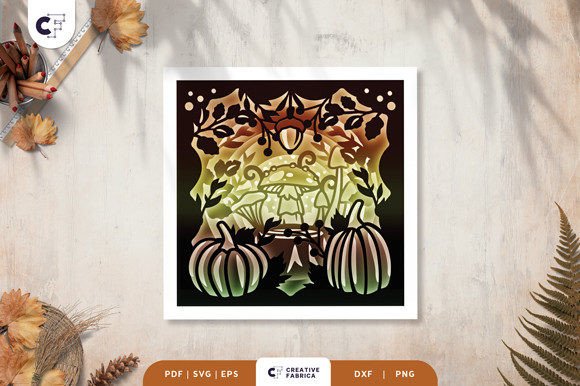
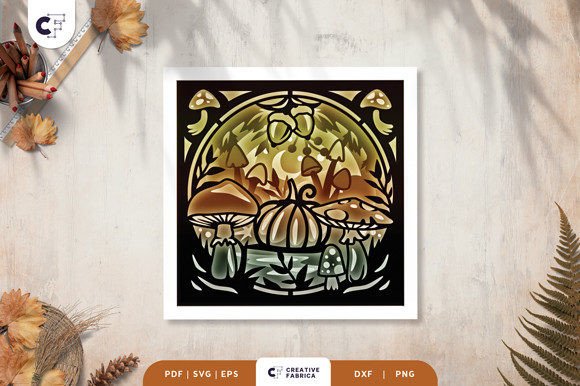
The visual personality of this Fall Leaves and Pumpkin 3D Shadow Box is undeniably cozy yet structured. The mood it evokes is one of nostalgic warmth, perfect for the transition into cooler weather. However, as an embroidery designer, I see the "shadow box" concept as a blueprint for dimensional stitching rather than just paper assembly. The distinct layers of leaves and pumpkin elements provide a natural guide for creating depth in machine embroidery. Instead of relying solely on flat fill stitches, this design encourages the use of varied textures to mimic the physical separation found in traditional shadow boxes.
For those working with digital embroidery files derived from this SVG, the layout suggests a perfect candidate for applique designs combined with decorative running stitches. The square format offers excellent stability in the hoop, making it easier to manage than elongated or irregular shapes. When evaluating this for real project use, I appreciate that the silhouette is bold enough to remain recognizable even when stitched on textured fabrics like linen or canvas, which are staples for fall home decor.
Real-World Application: The Custom Tote Bag Test
To truly evaluate the commercial viability of this design, I mentally prototyped it for a specific scenario: a premium canvas tote bag intended for a boutique fall collection. Tote bags are a staple for craft businesses because they offer a large, flat surface that showcases detailed artwork. In this context, the Fall Leaves and Pumpkin 3D Shadow Box serves as more than just a pretty picture; it acts as a focal point that communicates seasonal relevance immediately.
In planning this embroidered patch or direct-to-garment application, I considered how customers interact with tote bags. They need durability and visual impact from a distance. The layered nature of this design allows for a strategic mix of satin stitch borders and lighter fill stitches for the interior details. This variation in stitch density is crucial. If the entire design were dense satin, the canvas would become stiff and prone to warping. By utilizing the open spaces inherent in the shadow box style, we maintain the fabric's drape while delivering a high-end, personalized gift feel. For an Etsy seller, this balance of aesthetics and functionality is what justifies a higher price point and builds customer trust in the quality of your handmade product.
Navigating Fabric Limitations and Hoop Constraints
While the design is versatile, professional judgment requires acknowledging where it might struggle. Not every substrate is suitable for a complex, layered motif. I would advise extreme caution when attempting this design on stretchy knits or lightweight baby clothes without significant modification. The structural integrity required to support the visual weight of a 3D-style composition can overwhelm delicate fibers, leading to puckering or distortion.
Furthermore, consider your hoop size carefully. A shadow box effect relies on precise alignment of multiple elements. If you are working with a small hoop size, you may lose the subtle spacing that gives the Fall Leaves and Pumpkin 3D Shadow Box its depth. On dark fabrics, the contrast becomes a major factor. Light-colored thread on dark backgrounds can sometimes make the layers blend together visually, negating the 3D effect. In such cases, testing thread colors against the specific fabric texture is non-negotiable. Additionally, if you plan to apply this to curved surfaces like caps, the square geometry may require digitizing adjustments to prevent gaps or misalignment at the edges.
Elevating Brand Value Through Professional Execution
Using a recognizable seasonal theme like fall leaves and pumpkins carries a risk of looking generic. The difference between a mass-produced item and a cherished artisan piece lies in execution. When integrating this 3D SVG concept into your embroidery workflow, focus on how the finished product reflects your brand’s commitment to quality. Clean jump stitches, proper stabilizer usage, and thoughtful color blending turn a standard holiday embroidery project into a signature item.
For creative entrepreneurs selling digital assets or printable mockups, presenting this design accurately is equally important. Buyers need to visualize the potential. Showing the Fall Leaves and Pumpkin 3D Shadow Box in both paper and stitched formats demonstrates versatility and helps buyers understand the asset's full value. This transparency fosters engagement and reduces returns or dissatisfaction. Whether you are creating custom apparel, nursery decor, or kitchen towels, the goal is to ensure the design enhances the base product rather than competing with it.
Critical Designer Notes Before You Stitch
Before loading this design into your machine or listing it in your shop, adhere to these practical checkpoints to ensure success:
- Verify File Compatibility: Remember that the source material is an SVG paper cutting template. Ensure you have properly converted or digitized it into a machine embroidery design format compatible with your equipment before attempting to stitch.
- Test on Scrap Fabric: Always run a test stitch-out on a scrap of the exact fabric you intend to use. Check for registration issues between layers and adjust tension if necessary.
- Evaluate Stabilizer Needs: Given the layered complexity, use adequate stabilizer. A cut-away backing is often superior to tear-away for maintaining the shape of square designs on flexible fabrics.
- Check Licensing: Confirm whether your purchase includes commercial rights for selling finished embroidered products or if it is limited to personal use. This is vital for Etsy sellers and small shop owners.
- Assess Washability: If applying this to tea towels or baby items, ensure the stitch type can withstand frequent laundering. Dense satin stitches may fray over time; consider using fill stitches for larger areas to improve longevity.
- Mockup Testing: Create black and white mockups to verify that the design reads well without color reliance. This ensures the structure holds up even in monochromatic embroidery variations.
Ultimately, the Fall Leaves and Pumpkin 3D Shadow Box offers a beautiful foundation for autumn creativity. By approaching it with the technical mindset of an embroiderer and the strategic foresight of a business owner, you can transform a simple template into a profitable, professional-grade product line. Take the time to understand the interplay between the digital file and the physical thread, and your finished projects will stand out in a crowded seasonal market.